
Built for Trade, Easy for DIY: Designing Better Hardware Stores
Date Posted:29 September 2026
Built for Trade, Easy for DIY: Designing Better Hardware Stores
A successful hardware store must meet the needs of two distinct customer groups. Trade customers value speed, dependable stock access and efficient loading, while DIY customers benefit from clear navigation, helpful product presentation and an easy shopping experience.
Designing for both requires more than planning the shop floor. The entire site, including indoor retail areas, outdoor yards, storage zones, service counters and vehicle access, must work as one connected environment.
Understanding Different Customer Journeys
Trade and DIY customers often enter a hardware store with different priorities.
A trade customer may know exactly what they need and want to locate, purchase and load it quickly. A DIY customer may need more time to browse, compare products and understand how different categories relate to their project.
The store layout should accommodate both journeys. Clear category zoning and signage help customers navigate independently, while logical pathways provide direct access to frequently purchased trade products.
Planning the Indoor Retail Environment
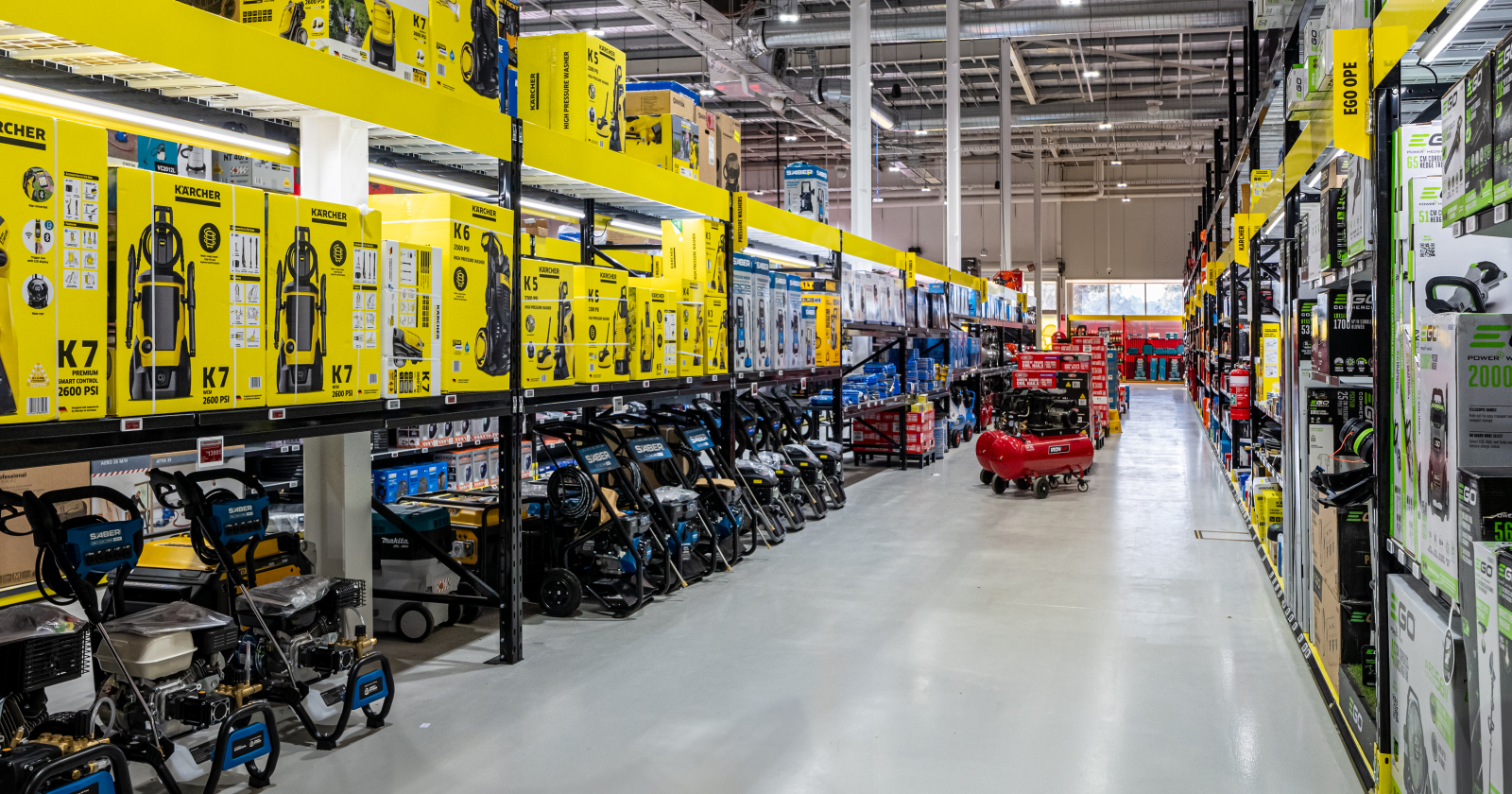
Inside the store, product visibility and navigation are essential. Hardware retailers typically carry a broad range of products, from small components and tools to heavy or bulky items.
Fixtures should present each category clearly while making effective use of the available floor space. Strong sightlines can help customers understand the store layout, while considered product groupings make related items easier to find.
Service counters also need careful planning. Well-designed queue and impulse areas can support efficient customer service and provide additional merchandising opportunities without obstructing movement through the store.
Connecting the Store and Outdoor Yard
For many hardware retailers, the outdoor yard is an extension of the retail environment rather than a separate storage area.
Timber, building materials, long-length products and palletised stock require purpose-built storage and handling systems. Vehicle and trailer access, delivery zones, loading areas and pedestrian movement must all be considered early in the design process.
The connection between the shop floor and yard should feel logical for customers while supporting safe, efficient workflows for staff.
Choosing Fixtures for the Product and Environment
Different hardware categories require different fixture and racking solutions.
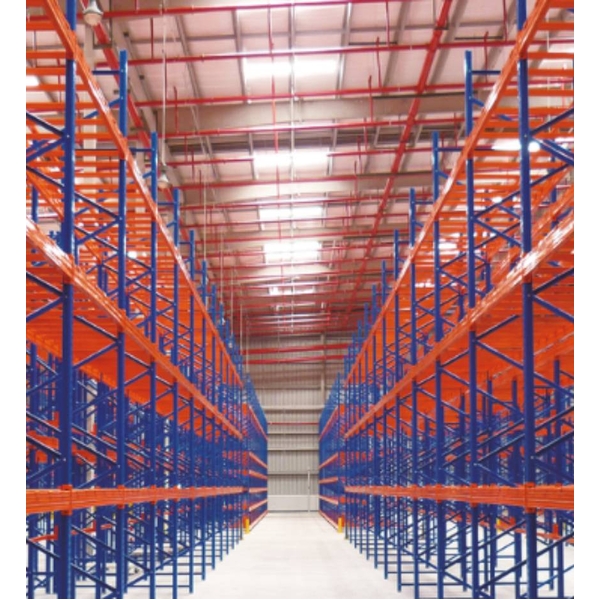
Heavy-duty gondolas can provide accessible merchandising for tools and general hardware. Pallet racking supports bulk and palletised stock, while cantilever systems are suited to timber and other long products. Outdoor areas require durable systems designed for exposure to the conditions in which they will operate.
Matching each fixture system to its product, location and intended use supports better presentation, safer access and more efficient stock management.
Designing for Safe, Efficient Movement
Customer movement, staff workflows and vehicle access all need to be planned together.
Pedestrian routes should be clearly defined, particularly where customers move between the store, yard and loading areas. Vehicle entry and exit points should support trailers and larger trade vehicles without creating unnecessary congestion.
Staff also need practical access for replenishment, order picking and customer assistance. Getting these details right can reduce friction and make the entire store easier to shop and operate.
Building for Real Trade Conditions
Hardware retail environments place significant demands on fixtures and storage systems. They must handle heavy products, frequent replenishment and ongoing use while maintaining a professional and organised presentation.
Retail Fixtures Australia has worked across hardware and trade retail environments for brands including Total Tools, Mitre 10, Bunnings and CRT. This experience reinforces the importance of practical layouts and durable systems designed around real operating conditions.
Whether planning a new store, refurbishment or outdoor yard layout, the goal remains the same: create an environment that is easy for customers to shop and efficient for the team to run.
Planning a hardware fit-out or yard layout? Speak with Retail Fixtures Australia about a practical fixture solution for both trade and DIY customers.