

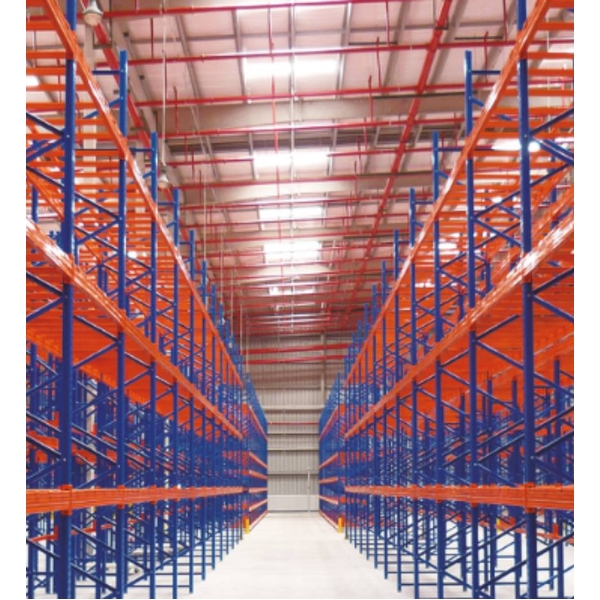
Managed Overseas Manufacturing for Retail Fixtures
Date Posted:24 March 2026
Managed Overseas Manufacturing for Retail Fixtures: How Smarter Production Programs Support Shopfitting, Store Rollouts and Better Retail Outcomes

Why managed overseas manufacturing matters more than ever
For retailers planning a store fit-out, shopfitting program or multi-site retail rollout, manufacturing is too important to be treated as a simple supply function.
It affects quality.
It affects consistency.
It affects lead times.
And it affects whether the finished retail environment performs the way it should.
That is why more retailers are moving beyond transactional sourcing and looking for a more structured approach to retail fixture manufacturing.
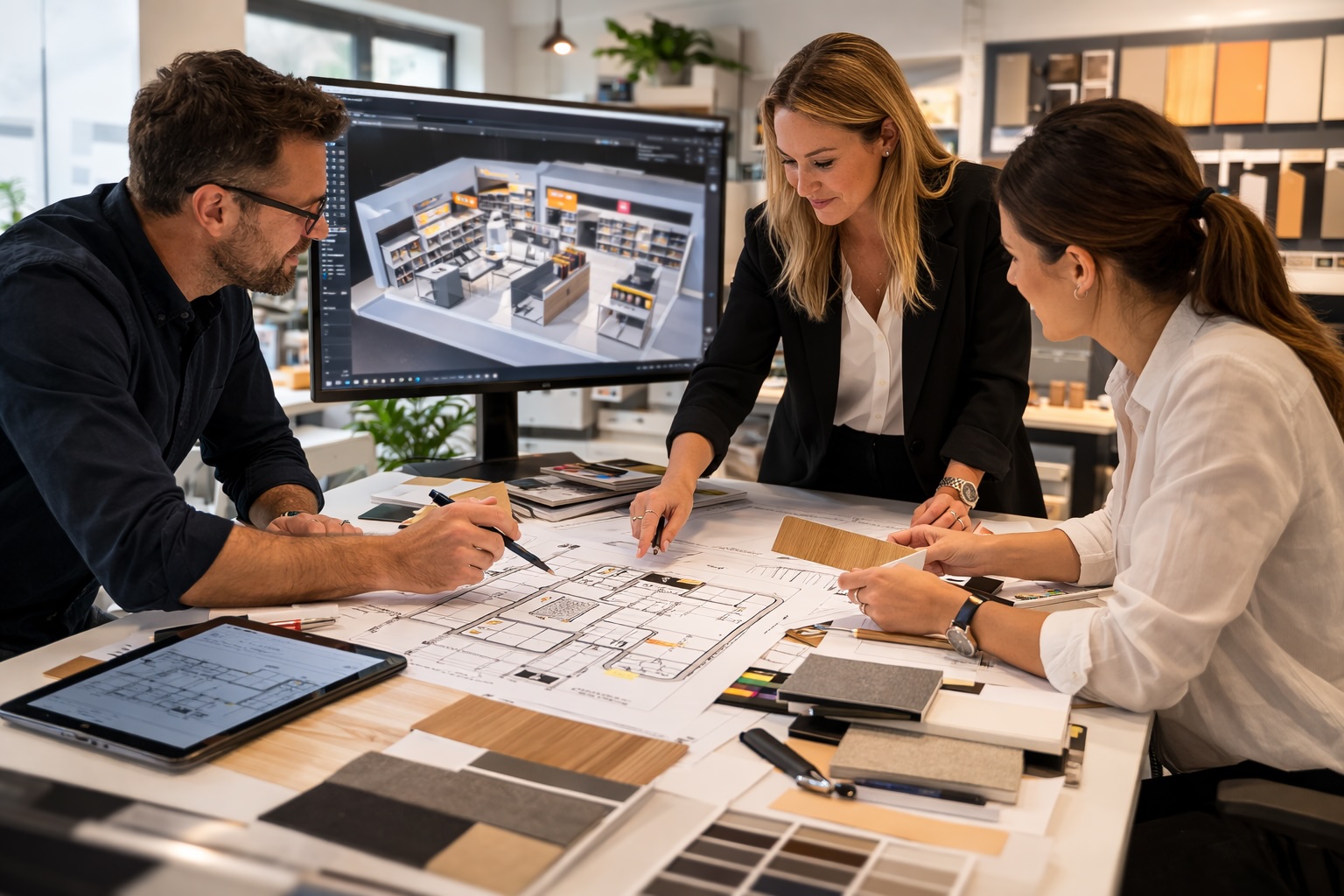
Today, brands need more than access to offshore factories. They need a managed production model that connects retail fixture design, engineering, material specification, quality control, factory coordination and delivery planning into one accountable process.
At Retail Fixtures Australia, that is how we approach managed overseas manufacturing for retail fixtures and shopfitting; helping retailers deliver custom fixtures, shopfitting components and rollout-ready store elements with better control, stronger quality and smoother project delivery.
Why retailers are rethinking overseas manufacturing for shopfitting
Overseas manufacturing can create major value for retailers, but only when it is properly managed.
Without the right oversight, offshore retail fixture manufacturing can introduce risk in areas such as:
-
inconsistent quality across stores
-
poor alignment to approved drawings
-
unsuitable materials or finishes
-
fragmented production across multiple suppliers
-
delivery delays that affect fit-out programs
-
variations that weaken brand consistency
-
added cost from rework, missed details or installation issues
For retailers rolling out multiple stores, these risks become even more significant.
That is why the conversation has shifted. The real question is no longer whether overseas production can be cost-effective. It is whether the production model is structured well enough to deliver reliable shopfitting outcomes, repeatable fixture quality and smoother retail rollout execution.
A managed manufacturing program helps solve that problem by bringing more control into every stage of the process.
Strong retail fixture manufacturing starts before production begins
The best retail fixture manufacturing outcomes do not start on the factory floor. They start in the design and development phase.
Before production begins, retailers need clarity around:
-
fixture function and performance
-
store layout integration
-
engineering requirements
-
materials and finishes
-
brand presentation standards
-
manufacturing practicality
-
installation and delivery needs
This early stage is where many of the most important decisions are made.
A better design and documentation process helps ensure that custom retail fixtures, shopfitting components, counters, display units, retail shelving and other store elements are not only visually aligned to the brand, but also practical to produce, durable in use and suitable for rollout at scale.
For modern retailers, this matters because fixture design can no longer be separated from operational performance. A fixture must look right, function properly and be manufacturable without compromising quality or commercial practicality.


Why material specification is critical in retail fixture manufacturing
A retail fixture only delivers long-term value if it performs well after the store opens. That is why material specification plays such an important role in retail manufacturing and shopfitting production.
Retail fixtures need to withstand:
-
daily customer interaction
-
staff use and replenishment
-
cleaning and maintenance
-
product load requirements
-
movement during installation
-
the visual demands of brand presentation over time
Selecting the right materials and finishes helps retailers balance appearance, durability, compliance and cost efficiency.
This can include specifying:
-
powder-coated steel for strength and finish consistency
-
timber-look materials for warmth and branded presentation
-
specialty laminates for durability
-
integrated lighting components
-
branded display elements
-
joinery finishes suited to high-traffic retail use
For retailers managing store upgrades, new store openings or network rollouts, the right specification decisions reduce risk and improve the long-term performance of the finished environment.
Why the right factory matters in managed overseas manufacturing
Not every factory is the right fit for every retail fixture. This is one of the biggest misconceptions in overseas shopfitting manufacturing. Different manufacturers bring different strengths. Some are better equipped for:
-
heavy-duty metal fixtures
-
gondola systems and retail shelving
-
joinery and cabinetry
-
counters and service desks
-
visual merchandising units
-
branded display elements
-
refined finish work
-
repeatable rollout production
A smarter manufacturing model does not simply send everything to one source. It allocates each product to the factory best suited to produce it to the required standard.
This improves:
-
finish consistency
-
product quality
-
production efficiency
-
cost control
-
suitability of construction methods
-
reliability across larger rollout programs
For retailers, that means better results without the burden of managing multiple factory relationships internally.
What managed overseas manufacturing really means for retail brands
A true managed overseas manufacturing program is not just about procurement.
It is about end-to-end control.
For retailers, franchise groups and multi-site brands, that means having one partner overseeing:
-
retail fixture design and development
-
engineering and technical documentation
-
material and finish specification
-
factory capability matching
-
production management
-
quality control
-
consolidation of goods
-
shipping and delivery coordination
This kind of model gives retailers access to broader manufacturing capability while maintaining the accountability needed for successful retail fit-outs, store refurbishments and multi-store rollouts.
It also helps ensure that fixtures arrive ready for the realities of the retail environment, not just ready to leave a factory.
Why quality control is essential in retail fixture manufacturing
In retail, quality is not only about how one store looks. It is about whether every store looks and performs consistently.
That is especially important for:
-
franchise groups
-
national retailers
-
staged refurbishment programs
-
multi-site store rollouts
-
branded environments requiring repeatability
Without strong quality control in retail fixture manufacturing, small inconsistencies can quickly become major rollout problems.
That includes issues like:
-
finish variation
-
dimensional discrepancies
-
poor assembly quality
-
mismatched materials
-
branding inconsistencies
-
installation complications on site
This is why direct oversight matters.
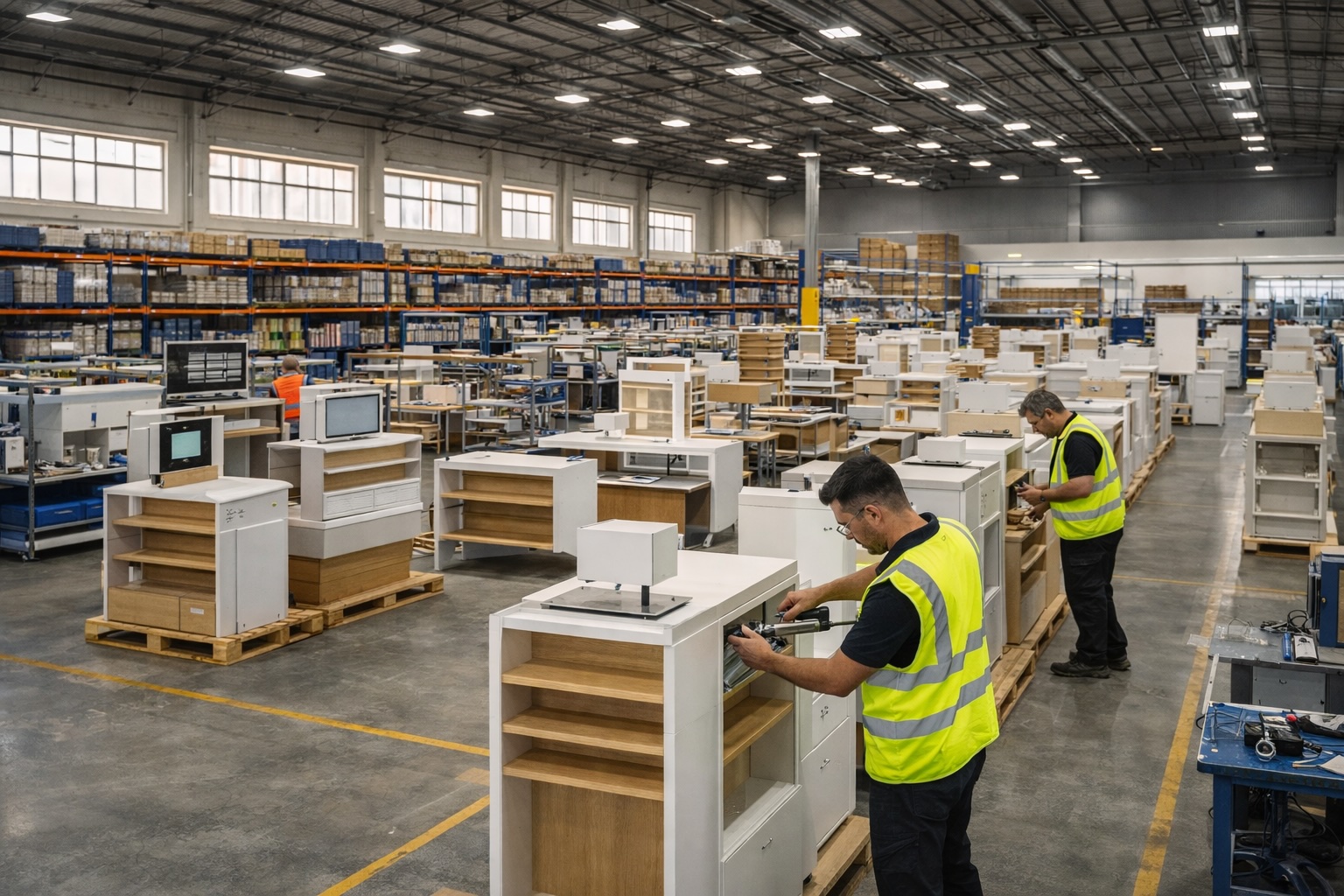
A managed manufacturing approach helps ensure products are checked against approved drawings, materials, finishes and brand standards throughout the production process. Early issue identification reduces rework, protects design intent and improves the chances of a smoother fit-out program from start to finish.
Why consolidation and logistics matter in store rollout manufacturing
Retail manufacturing rarely involves a single product category.
A typical shopfitting or retail rollout project may include:
-
shelving systems
-
counters
-
joinery items
-
display fixtures
-
branded VM units
-
signage components
-
lighting-integrated elements
-
custom store fittings
When these are produced across multiple facilities, logistics can quickly become fragmented.
That is why consolidation and coordinated delivery are so important.
A well-managed logistics program helps:
-
bring products from multiple factories into one coordinated stream
-
simplify freight planning
-
reduce delivery confusion
-
support smoother staging for installation
-
keep store fit-out programs moving on time
-
reduce the operational burden on the retailer or builder
For multi-site retailers, this coordination is a major advantage because it turns multiple manufacturing inputs into one more manageable delivery outcome.
Managed manufacturing supports better retail fit-out delivery
Fixtures do not exist in isolation.
They need to work within the broader retail fit-out and shopfitting process, alongside store layout, brand standards, services, construction timing and installation sequencing.
That is why the most effective retail fixture manufacturing programs are built around fit-out delivery, not just factory output.
For retailers, this means a smarter manufacturing model can help support:
-
better alignment with store concepts
-
smoother installation sequencing
-
improved consistency across sites
-
reduced risk during refurbishments and openings
-
stronger coordination between design, production and delivery
This is particularly valuable for brands delivering:
-
new store fit-outs
-
staged refurbishments
-
national rollout programs
-
franchise store packages
-
large-format retail projects
When manufacturing is structured around real fit-out needs, the result is a store environment that is more practical, more consistent and more ready for trade.
What retailers need from overseas manufacturing today
Retailers today need more than lower unit cost.
They need retail manufacturing programs that provide:
-
better production visibility
-
stronger accountability
-
consistent fixture quality
-
material and finish control
-
dependable rollout coordination
-
smoother integration with retail fit-outs
-
flexibility across multiple fixture categories
-
reduced risk across multi-site programs
This is why managed overseas production is becoming more relevant for Australian retailers.
When done properly, it allows brands to access manufacturing scale and specialist capability without losing control over quality, presentation or delivery outcomes.
Why managed overseas manufacturing is a strategic advantage for store rollouts
For growing retail networks, manufacturing strategy has a direct effect on rollout success.
A better managed overseas manufacturing program can help brands:
-
improve fixture consistency across stores
-
support custom fixture production at scale
-
reduce fragmentation across suppliers
-
strengthen quality control outcomes
-
improve coordination for store openings and refurbishments
-
create more reliable delivery programs
-
support better commercial value over the life of the rollout
That is why overseas manufacturing should not be viewed only as a sourcing decision.
It should be viewed as a strategic part of how retailers deliver store environments more effectively.
How Retail Fixtures Australia helps with managed overseas manufacturing
At Retail Fixtures Australia, we provide a structured managed overseas manufacturing program for:
-
custom retail fixtures
-
shopfitting components
-
retail shelving
-
display units
-
counters and service desks
-
joinery elements
-
visual merchandising units
-
store rollout fixture packages
Our approach combines:
-
design and product development
-
engineering and documentation
-
material specification
-
factory matching
-
manufacturing oversight
-
quality control
-
consolidation and delivery coordination
This gives retailers a more reliable way to deliver retail fixtures and shopfitting solutions that are brand-aligned, commercially practical and ready for store rollout.
Planning a retail fit-out or multi-site rollout
If you are sourcing custom retail fixtures, shopfitting components or store rollout packages, a managed manufacturing program can give you better control over quality, consistency and delivery.
The right approach does more than produce fixtures. It helps create smoother store openings, stronger brand alignment and more dependable rollout outcomes.
Talk to Retail Fixtures Australia about managed overseas manufacturing for retail fixtures, shopfitting and multi-site store rollouts.