Store Counter Design for Modern Retail
Date Posted:24 March 2026
Store Counter Design for Modern Retail: How Smarter Sales Counters Improve Store Performance
Why retail store counters matter more than ever
In many retail stores, the counter is still treated as a simple transaction point.
But today, a store counter, sales counter or retail checkout counter does much more than process payments. It shapes customer flow, supports staff efficiency, reinforces brand presentation and influences how smoothly the store operates every day.
That matters even more in today’s retail environment.
Retailers are under pressure to improve customer experience, reduce friction at checkout, support omnichannel services, and make better use of every square metre. In that context, outdated shop counters and poorly planned retail counters can quietly become a problem.
They slow service.
Create congestion.
Waste valuable floor space.
And make the store harder to operate than it should be.
That is why more retailers are reviewing their retail counter design, POS counter layout and checkout areas as part of broader store improvement strategies.
At Retail Fixtures Australia, we work with retailers to design, manufacture and supply custom retail counters, store counters, sales counters and shop fitting solutions built for how stores function today.
Why outdated retail counters are costing stores more than they realise
Many counters are still doing the job they were originally designed for, but not necessarily the job the store needs now.
Retail has changed. Customer expectations are higher. Payment methods are faster. Click-and-collect has grown. Service interactions are more complex. Stores need more flexibility. Yet in many cases, the existing retail sales counter has not evolved with the business.
This creates hidden costs such as:
-
slower checkout and service times
-
poor customer flow around the counter area
-
awkward staff movement and reduced efficiency
-
limited space for POS technology and integrated systems
-
poor accessibility for customers
-
reduced opportunity for brand presentation
-
inflexible layouts that make future store changes harder
For retailers planning a store upgrade, retail refurbishment or shop fit-out, the counter should not be treated as a minor detail. It is one of the most important operational touchpoints in the store.
What modern retailers need from a store counter today
A modern retail store counter needs to do more than look good. It needs to support speed, service, flexibility and day-to-day practicality.
For most retailers, that means designing store counters and sales counters that can:
-
improve customer flow through the front of store
-
support faster and more intuitive checkout
-
integrate POS systems, scanners, card readers and other technology
-
create better staff ergonomics and workflow
-
support click-and-collect or order collection functions
-
reflect the brand through materials, finish and detailing
-
adapt to different store sizes, formats and traffic levels
This is why custom retail counter design is becoming more important.
Off-the-shelf solutions often struggle to match the needs of real retail environments. A bespoke counter can be designed around product type, service model, traffic flow, staff requirements and the overall store layout, helping the store work better, not just look updated.
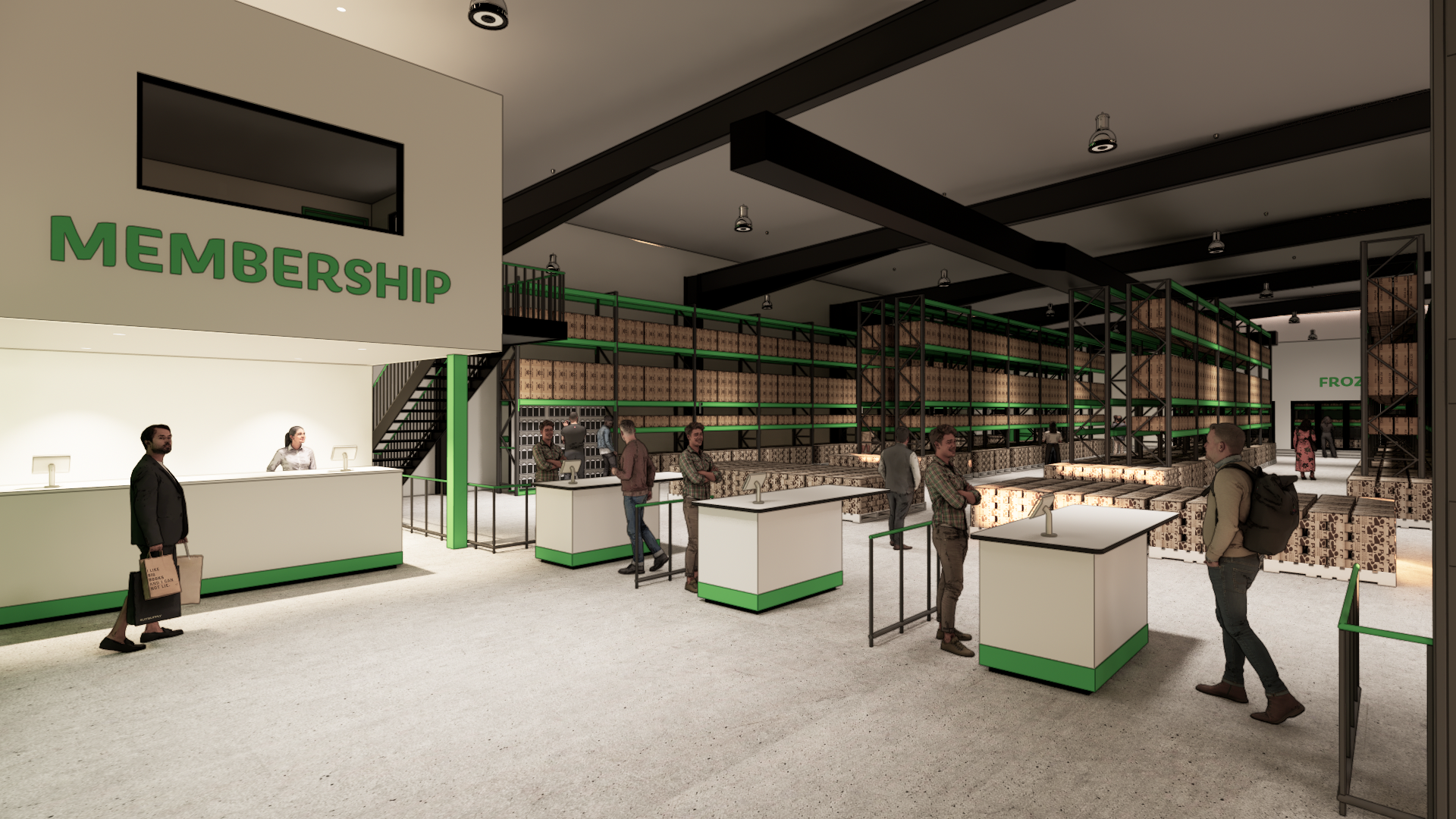

Retail counter design trends shaping stores now
Retailers are moving away from bulky, static counters and toward smarter retail counter design that improves flexibility and customer experience.
Some of the strongest trends in store counter design today include:
1. Custom retail counters designed around workflow
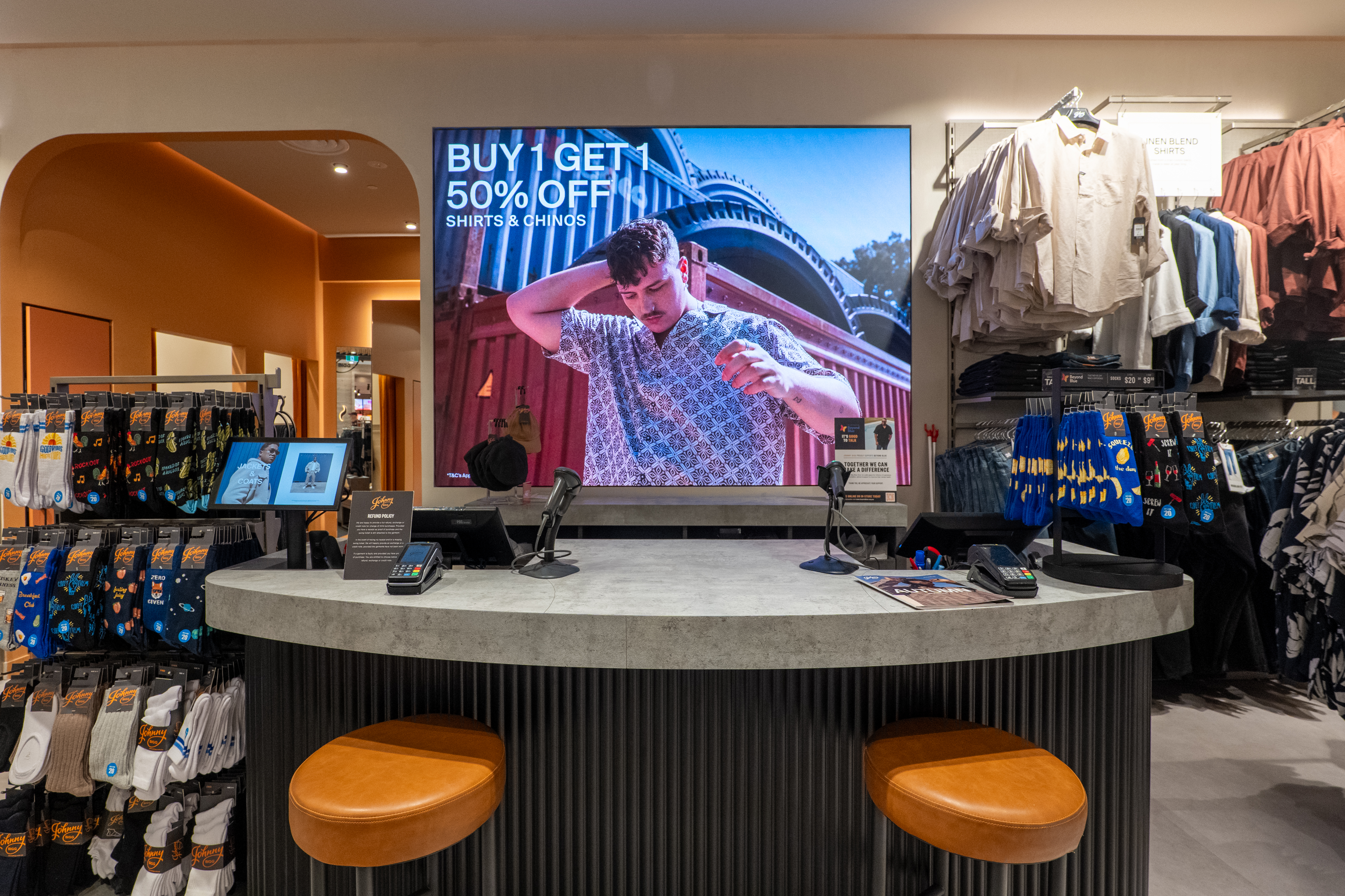
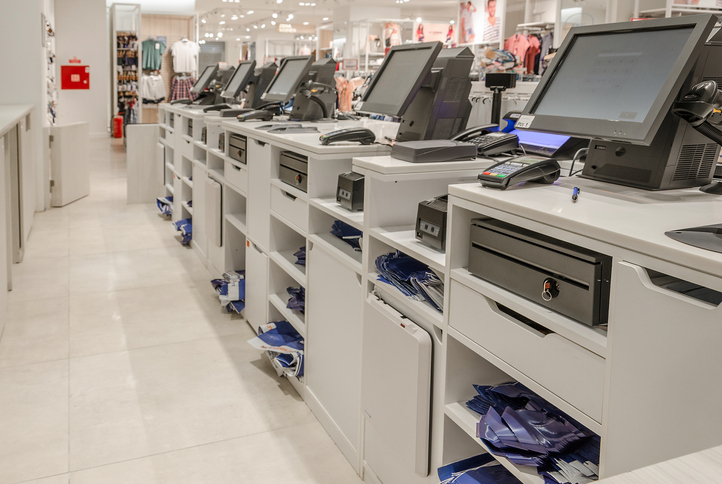
More retailers want custom store counters that fit the way their teams actually work. That includes better staff access, improved storage, cleaner cable management and more efficient integration of POS equipment.
2. Modular sales counters for flexibility
Modular retail sales counters make it easier to adapt layouts over time. This is especially useful for stores that regularly refresh categories, update service zones or operate across multiple locations.
3. Better retail checkout counter design
Retailers are focusing on checkout counter design that reduces bottlenecks, improves queue flow and makes transactions feel quicker and more seamless.
4. Technology-ready POS counters
Modern POS counters need to support more than a till. They often need to accommodate digital payments, scanners, screens, integrated devices and future technology upgrades.
5. Brand-led shop counter finishes
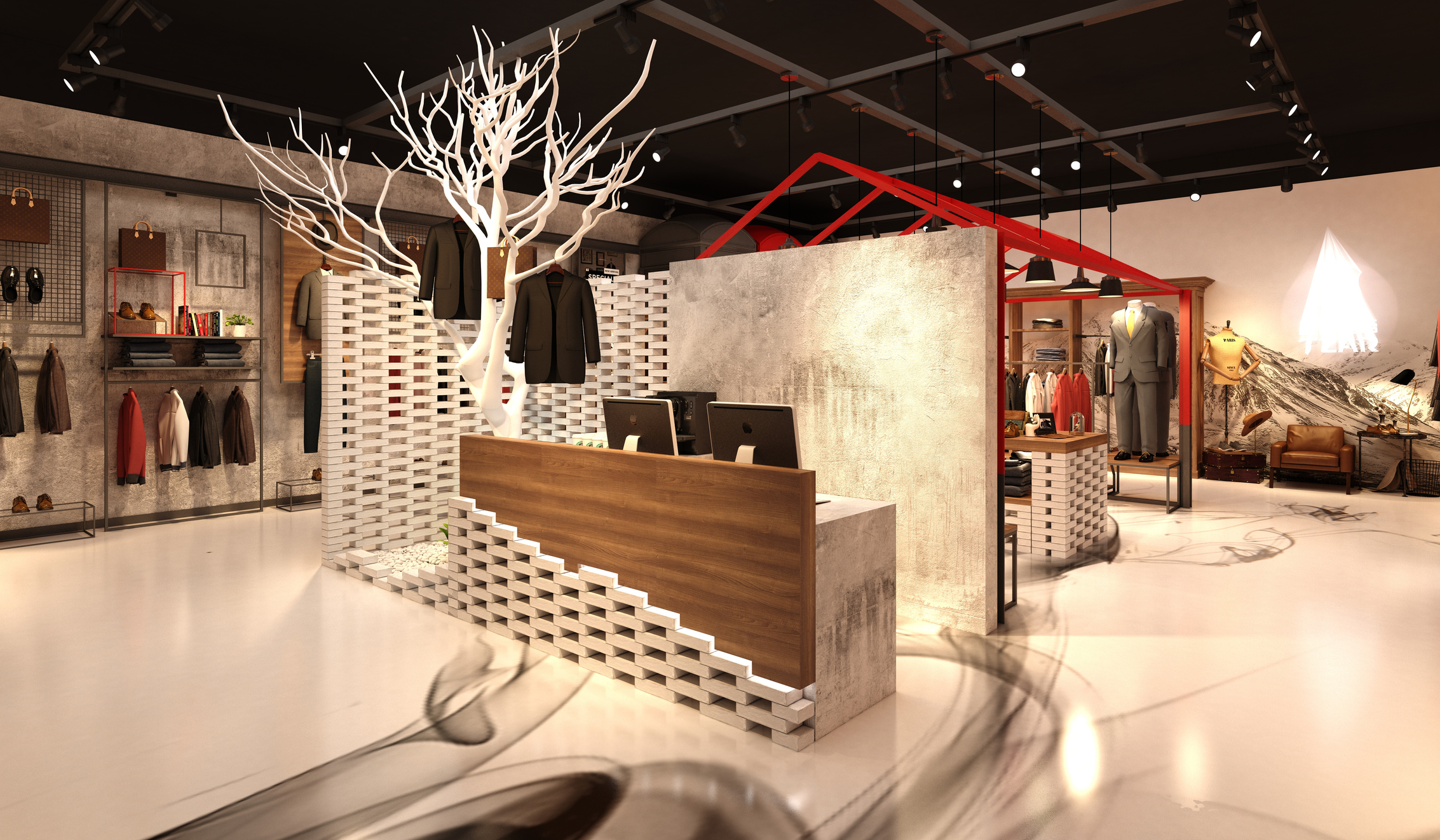
A shop counter is often one of the most visible fixtures in the store. Retailers are using material choices, signage, joinery details and lighting to make the counter feel more aligned to the broader store identity.
6. Sustainable counter materials and longer-life construction
Retailers are also paying more attention to durable, reusable and lower-waste materials when planning retail counter manufacturing and refurbishment projects.
How better sales counter design improves customer experience
Customer experience is shaped by more than product and service. It is also shaped by how easy the store feels to navigate and use. The sales counter plays a major role in that.
A poorly placed or poorly designed retail counter can create frustration fast. Long waits, unclear queue paths, poor visibility, cluttered benchtops and awkward service interactions all affect the customer’s perception of the store.
A better-designed store counter can help retailers:
-
reduce wait times at checkout
-
make the service process feel faster and clearer
-
improve accessibility for a wider range of customers
-
create stronger first and last impressions
-
provide space for promotions, pickups or add-on purchases
-
support more comfortable customer-staff interaction
For many retailers, improving the checkout counter is one of the simplest ways to upgrade service without needing a full store rebuild.
Why staff workflow should drive retail counter design
One of the most overlooked parts of retail counter design is staff usability. If the counter slows staff down, everything else in the store feels harder.
That is why a well-designed retail sales counter should support:
-
comfortable working height
-
efficient movement between service tasks
-
practical under-counter storage
-
easy access to key tools and equipment
-
clear sightlines across the store
-
safe and tidy integration of technology and power
-
enough workspace for packaging, service and transactions
These factors improve speed, reduce fatigue and help create a smoother experience for both staff and customers.
For high-traffic retail, this is not just a design preference. It is an operational advantage.
Store counter placement matters as much as the design itself
A great store counter in the wrong location can still create problems.
Counter placement affects traffic flow, visibility, queueing, security and the overall feel of the store. That is why retail counter design should always be considered alongside broader store layout design.
The right placement can help retailers:
-
direct customer flow naturally through the space
-
improve visibility from entry points
-
reduce congestion in key circulation zones
-
create stronger supervision across the floor
-
position service zones closer to high-demand areas
-
support impulse purchase opportunities near checkout
For smaller stores, smart counter placement can free up valuable retail floor space. For larger-format retail, it can make service areas easier to operate and reduce friction during busy periods.
Custom store counters vs off-the-shelf counters
Retailers often face a choice between standard counter units and custom retail counters.
Standard options may work in some settings, but for many businesses they create compromises in layout, storage, technology integration and brand presentation.
A custom store counter gives retailers more control over:
-
dimensions and spatial fit
-
materials and finishes
-
POS equipment integration
-
accessibility requirements
-
workflow and storage needs
-
queue and customer interaction design
-
alignment with other shop fittings and fixtures
For retailers investing in a broader retail fit-out, store refurbishment or shop fitting upgrade, custom counters usually deliver stronger long-term value because they are built to suit the actual store environment.
What to consider before upgrading your retail checkout counter
Before investing in a new retail checkout counter or sales counter, retailers should assess the way the current counter performs.
Key questions include:
1. Is the counter slowing down service?
If customers queue unnecessarily or staff movement is awkward, the counter may be creating avoidable friction.
2. Does it suit your current POS technology?
Older counters often do not support the power, space or layout needed for modern payment systems and devices.
3. Is the counter accessible and customer-friendly?
The checkout area should be easy to approach, easy to understand and comfortable for a wide range of users.
4. Does it support your brand presentation?
A visible shop counter should reinforce the store environment, not feel disconnected from it.
5. Can it adapt as your store changes?
Flexible counter design is important if ranges, service models or store layouts may evolve.
6. Is there a better way to use the space?
A smarter counter can improve both front-of-house presentation and back-of-counter efficiency.
Why flexible and modular retail counters are growing in demand
Retailers today need fixtures that can evolve with the business.
That is why modular retail counters and adaptable shop counters are becoming more popular. They give retailers the ability to reconfigure service zones, adjust layouts and respond to store changes without needing to replace the entire fixture.
This is especially valuable for:
-
growing retail networks
-
seasonal retail environments
-
stores with changing product ranges
-
multi-site rollouts
-
retailers planning staged refurbishments
A flexible sales counter can support long-term value by reducing replacement costs and making the store easier to update over time.
Sustainable retail counter design is now part of smarter store planning
Sustainability is also influencing how retailers think about store counters and shop fittings.
Rather than replacing everything unnecessarily, many retailers are asking:
-
Can elements of the existing counter be reused?
-
Can the design be standardised to reduce waste?
-
Can durable materials extend the life of the fixture?
-
Can lighting and integrated features be upgraded more efficiently?
This approach helps retailers reduce waste, control cost and make better long-term asset decisions.
In this context, sustainable retail counter design is not just about appearance. It is about durability, adaptability and smarter use of materials.
How Retail Fixtures Australia helps retailers with custom counter design
At Retail Fixtures Australia, we help businesses create custom retail counters, sales counters, POS counters and shop counters that support real retail performance.
Our solutions are designed to balance:
-
customer experience
-
staff usability
-
store layout efficiency
-
technology integration
-
durability
-
brand consistency
-
manufacturing practicality
Whether the need is a single checkout counter, a full custom store counter design, or a broader shop fitting solution as part of a store upgrade, we work with retailers to develop counters that are built around how their stores operate today.
Planning a retail counter upgrade?
If your current store counter, retail sales counter or checkout counter is slowing service, limiting flexibility or no longer matching your store environment, now is the right time to review it.
A better retail counter design can improve customer flow, speed up transactions, support staff and strengthen the overall performance of the store.