
Choosing the Right Retail Display Fixture: A Buyer's Guide for Australian Stores
Date Posted:16 September 2026
Choosing the Right Retail Display Fixture: A Buyer's Guide for Australian Stores
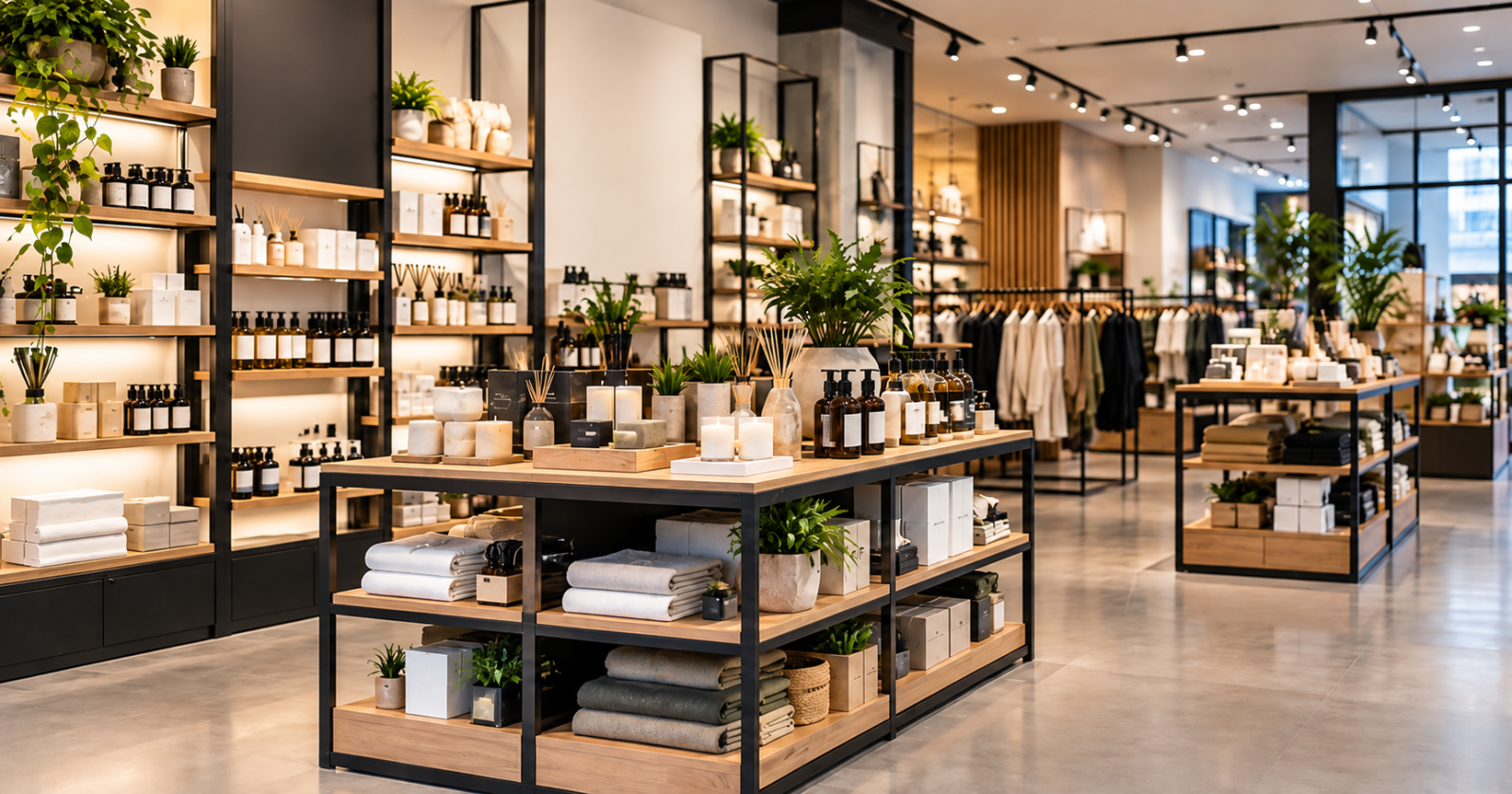
Walk into any busy shopping strip in Melbourne, Sydney or Brisbane and you’ll notice something the best stores have in common. Their products don’t just sit on shelves, they’re presented. Lighting hits the right spots, sightlines guide you towards key items and nothing feels crammed or awkward to reach. That’s not luck. It’s the result of a well chosen retail display fixture doing its job quietly in the background.
If you’re a buyer tasked with fitting out a new store, refreshing an existing one or rolling out fixtures across multiple locations, this decision carries more weight than it might seem. The wrong fixture can waste floor space, wear out within a year or simply fail to show off your products the way they deserve. The right one can support stronger product presentation, easier merchandising, more efficient use of floor space and a smoother shopping experience.
This guide goes through what actually matters when sourcing display fixtures in Australia so you can buy with confidence instead of guesswork.
Why Your Fixture Choice Affects More Than Just Looks
It’s easy to think of shelving and display units as a simple line item in a fit out budget. In reality they influence almost every part of the shopping experience.
- Product visibility: A fixture that hides your best sellers behind poor angles or awkward heights can make products harder for customers to notice and access.
- Customer flow: Poorly placed or bulky units can create bottlenecks near entrances and checkouts, especially during busy periods.
- Staff efficiency: Fixtures that are hard to restock or adjust slow your team down and add labour costs over time.
- Brand perception: Cheap, mismatched fixtures can undercut an otherwise strong brand presentation, even if the products themselves are premium.
Treating fixtures as a strategic purchase rather than an afterthought can improve product presentation and store navigation. It can also make day-to-day merchandising easier for staff.
What Makes a Retail Display Fixture "Right" for Your Store
There’s no one best fixture for every business. The right choice depends on your product range, your floor space and how your customers shop. That said, a few factors come up again and again when Australian buyers evaluate their options.
1. Durability for Australian Retail Conditions
Australian stores deal with a wide range of conditions, from coastal humidity to high foot traffic during peak trading periods. Fixtures made from lower grade materials can warp, rust or loosen at the joints faster than expected. Look for powder coated steel, commercial grade timber or reinforced acrylic depending on the application and ask your supplier directly about warranty terms rather than assuming coverage.
2. Flexibility and Modularity
Retail ranges change with the seasons and your fixtures should be able to keep up. Modular retail display systems that let you reconfigure shelving, swap in hooks or bins and adjust heights without buying entirely new units give you far more long term value than fixed, single purpose displays.
3. Fit With Your Brand
A fixture is part of your in store branding whether you plan it that way or not. Working with a retail fixture manufacturer that offers custom finishes, colours and branding elements means your shop floor reinforces your identity instead of looking like a generic warehouse aisle.
4. Compliance and Safety
Weight ratings, stability and accessibility all matter particularly for heavier stock like hardware, homewares or bulk goods. Reputable Australian suppliers will be able to confirm load capacities and safety testing for their commercial retail fixtures so don’t hesitate to ask for documentation before committing to a large order.
5. Lead Times and Local Support
Lead times can affect an entire store opening or rollout schedule. Ask suppliers about stock availability, manufacturing timelines, freight requirements, warehousing and replacement parts before committing. Reliable Australian based project support can also make coordination easier particularly for multi-site rollouts.
Standard vs Custom Fixtures: Which One Fits Your Project?
One of the first decisions most buyers face is whether to go with off the shelf fixtures or commission custom store fixtures built to a specific layout or brand spec. Both have their place, and the right answer usually comes down to timeline, budget, and how unique your space really is.
|
Factor |
Standard Fixtures |
Custom Fixtures |
|---|---|---|
|
Lead time |
Typically faster, often available from stock |
Longer, built to order |
|
Cost per unit |
Lower upfront cost |
Higher upfront cost |
|
Brand fit |
Generic, limited customisation |
Matches exact brand colours, materials, and layout |
|
Best for |
Pop up shops, quick refits, tight budgets |
Flagship stores, chain rollouts, unique floor plans |
|
Flexibility |
Easy to source more units later |
May require the same manufacturer for future matching pieces |
|
Scalability |
Good for small single site stores |
Ideal for multi site retailers wanting consistency |
If you're opening a single small store on a tight deadline, standard fixtures can get you trading sooner without sacrificing much. If you're building a brand presence across multiple sites, or your space has unusual dimensions, custom fixtures can justify their higher upfront cost when a tailored fit, consistent branding or specific merchandising requirements are important.
Practical Tips Before You Place an Order
A few habits separate buyers who get great results from those who re-order within a year.
- Measure twice, order once. Get exact floor plans and door or lift dimensions before finalising sizes, especially for larger gondola runs or heavy racking.
- Ask for samples or a showroom visit. Photos rarely capture finish quality accurately. If you’re in or near Melbourne, a showroom visit lets you check materials firsthand.
- Plan for restocking, not just display. A beautiful fixture that’s a pain to refill will frustrate your staff daily.
- Think about lighting early. Fixtures and lighting design work together, and retrofitting lighting after installation is more expensive than planning it upfront.
- Confirm delivery and installation support. Some suppliers only deliver, while others manage full installation. Know which you’re getting before you sign off.
Use Case: Matching Fixtures to Different Retail Categories
Different product categories genuinely need different fixture approaches.
- Fashion retail needs hanging rails, mannequin platforms and adjustable shelving for frequent seasonal changeovers.
- Hardware and automotive stores require heavier duty racking and shelving for bulkier, heavier stock.
- Pharmacy retail relies on secure, accessible shelving with clear sightlines for customers and staff.
- Pop up shops do best with lightweight, modular units that can be assembled, moved and disassembled quickly without tools.
- Supermarkets and grocery stores need adaptable shelving, gondola systems, promotional displays and merchandising fixtures that make efficient use of high-traffic floor space.
- Specialty retail stores may benefit from flexible retail display systems that can be adapted to different product sizes, seasonal promotions and changing merchandising requirements.
Matching the fixture to the category isn’t just about aesthetics. It affects how efficiently your team can operate daily.
Frequently Asked Questions
What is the difference between a retail display fixture and general shop shelving?
Shelving is one type of fixture used mainly for storage and product placement, while a retail display fixture is a broader term covering any unit designed to present products attractively, including gondolas, hang sell units, counters, and signage stands.
How long do commercial retail fixtures usually last?
The lifespan of commercial retail fixtures depends on their materials, construction quality, load requirements, store traffic, and how frequently they are moved or adjusted. Choosing fixtures designed for your specific retail environment can help improve long term performance.
Is it worth paying more for custom store fixtures instead of standard options?
For single site stores on a tight budget or deadline, standard fixtures are often the better choice. For multi-site retailers or stores with unusual dimensions, custom fixtures can offer greater long-term value when tailored dimensions, consistent branding or specialised merchandising requirements are important.
How do I find a supplier of retail fixtures in Australia?
Look for an experienced supplier with clear quality controls, transparent lead times, Australian support and a portfolio of completed projects in your retail category. Ask about manufacturing, delivery, installation and after sales support before placing a large order.
Can retail display systems be reconfigured after installation?
Most modular retail display systems can be. Components like shelves, hooks and dividers can be rearranged or replaced without having to buy a whole new unit, which is handy as your product range changes.
Bringing It All Together
Choosing a retail display fixture is really a series of smaller decisions about durability, flexibility, brand fit, and support, all adding up to how your store performs on the floor. Buyers who take the time to weigh these factors, rather than defaulting to the cheapest or fastest option, tend to end up with fixtures that last longer and actually help sell more product.
If you're planning a fit out or refresh and want expert input on materials, layout, or custom builds, it's worth having that conversation early rather than after your floor plan is locked in. For more on how manufacturing timelines can affect your project schedule, see Why Lead Times Matter for Custom Retail Fixtures.
Ready to plan your next fit out? Explore Retail Fixtures Australia's full range and talk to a specialist about fixtures built for your store, your products, and your budget.